Sensory Therapy Place · Pediatric OT Resources
Blog
Pediatric OT-written guides on sensory processing, primitive reflex integration, and the movement-rich home — by Earl Mamaril, MS, OTR/L, and the Sensory Therapy Place clinical team.
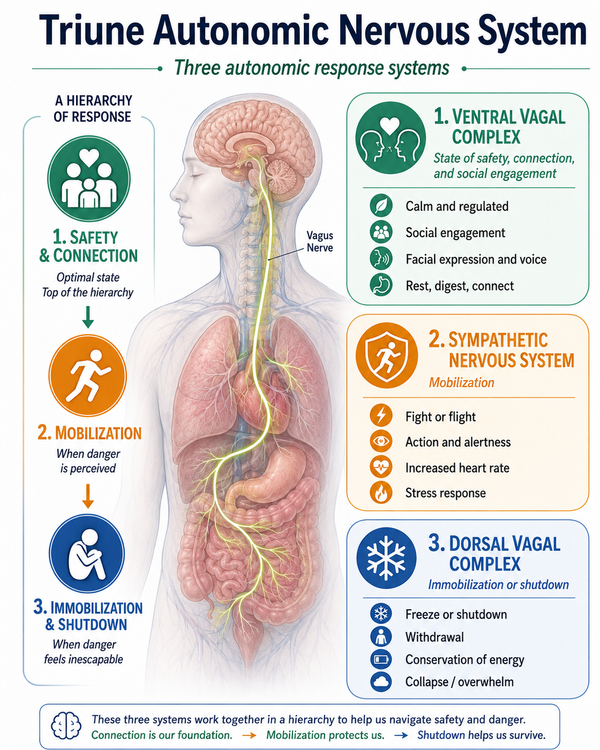
Your Child's Nervous System Is More Than 'Fight or Flight': Understanding Safety, Stress, and Healing
Your child's behavior is not always "just behavior." Often it is the nervous system trying to protect itself. Learn how the ventral vagal, sympathetic, and dorsal...
Read article →Why Does My Child Hide From Crowds, Refuse Hugs, or Crash Into Everything? Your Child's Sensory Profile Explained
Winnie Dunn's 4 Sensory Quadrants explain why one child crashes into walls while another covers their ears at the grocery store. Earl Mamaril walks parents throug...
Read article →Best Fidget Toys for Kids with Anxiety — A Pediatric OT's Guide
Not all fidget toys are created equal. Pediatric OT Earl Mamaril breaks down the 5 best fidget tools for kids with anxiety and ADHD — and explains the neuroscienc...
Read article →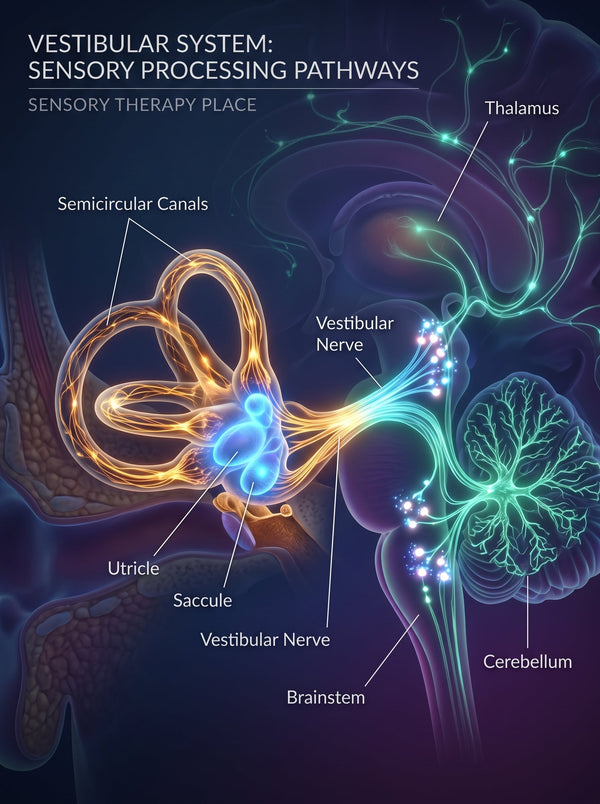
Why Your Child Crashes Into Things, Can't Sit Still, or Trips on Flat Floors: The Vestibular System Explained
If your child can't sit still, crashes into walls, melts down on the playground, or trips over flat floors — their vestibular system may be the missing piece. Ped...
Read article →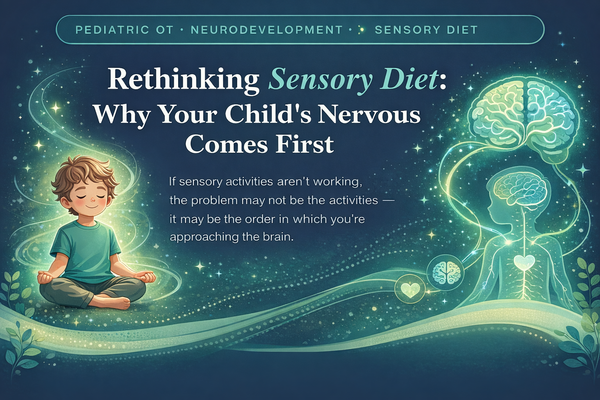
Rethinking Sensory Diets: 2025 Autism Society of Maine Presentation
Is it time to move beyond the traditional "Sensory Diet" checklist? At the 2025 Autism Society Conference, I had the honor of presenting a new framework for senso...
Read article →
Leucovorin (Folinic Acid) and Autism: What Parents Need to Know
A pediatric OT's evidence-informed guide to leucovorin (folinic acid) and autism — why it's being studied, how it may work in the brain through folate metabolism,...
Read article →
The Amygdala and the Developing Brain: How Stress, Screens & Sensory Input Shape Emotional Regulation
A pediatric OT explains the amygdala — the brain's alarm system — and how modern stress, screens, and sensory input shape a child's emotional regulation. What loo...
Read article →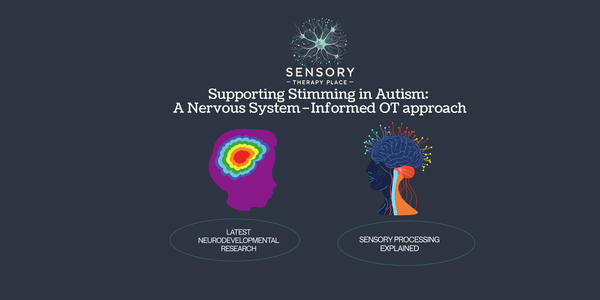
Why Does My Child Flap Their Hands or Rock? A Pediatric OT Explains Stimming
Your child isn't misbehaving when they flap, rock, or hum. They're regulating. Pediatric OT Earl Mamaril explains what stimming actually is, when to support it, w...
Read article →
Are Weighted Blankets Safe and Effective for Children's Sleep? A Pediatric OT Explains the Science
A pediatric OT's evidence-based guide to weighted blankets for children's sleep — what the research actually shows for ADHD and autism, how deep pressure works th...
Read article →
Was My C-Section the Cause? How Cesarean Birth Affects Your Child's Nervous System — and What You Can Do About It
Pediatric OT Earl Mamaril answers the question parents ask quietly during evaluations: was my C-section the cause? Research-backed, guilt-free, hopeful — what the...
Read article →
Why Your Child Can't Write Without Turning Their Head: The Retained ATNR Reflex Explained
Head turning during writing. Skipping lines while reading. No clear hand dominance past age 6. These aren't ADHD — they're often a retained ATNR reflex sabotaging...
Read article →
Is Your Child Always Tense? Understanding the Tendon Guard Pattern & Toe Walking
Toe walking, raised shoulders, clenched jaw, and chronic tension — the tendon guard pattern explained. A pediatric OT's neuro-fascial approach to releasing the bo...
Read article →