Sensory Therapy Place · Pediatric OT Resources
Blog
Pediatric OT-written guides on sensory processing, primitive reflex integration, and the movement-rich home — by Earl Mamaril, MS, OTR/L, and the Sensory Therapy Place clinical team.

How Birth Trauma Can Affect Child Development Over Time
How traumatic birth experiences — both infant medical trauma and maternal birth-related PTSD — can affect a child's long-term development. Research-based parent g...
Read article →
How Screen Time Can Affect Your Child’s Development: What Every Parent Should Know
How excessive screen time affects pediatric brain and body development — what research shows, why screens bypass key developmental pathways, and what parents can ...
Read article →Why Your Child Hates Clothing Tags, Refuses Hugs, or Crashes Into Walls: The Tactile System Explained
Sock seams. Tag fights. Crashing into furniture. Chewing on shirts. These aren't random behaviors — they're your child's tactile system trying to communicate. A p...
Read article →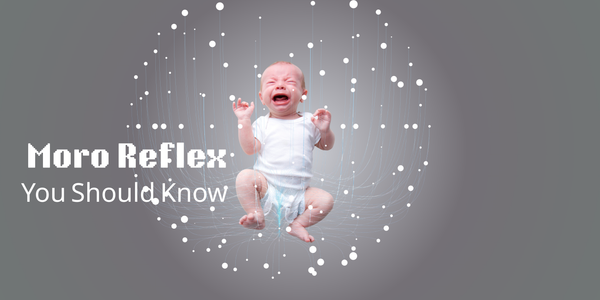
Why Your Child Startles, Panics, or Spirals Over Nothing: The Retained Moro Reflex Explained
What looks like generalized anxiety in children is often a retained Moro reflex — the nervous system stuck in survival mode since infancy. Pediatric OT Earl Mamar...
Read article →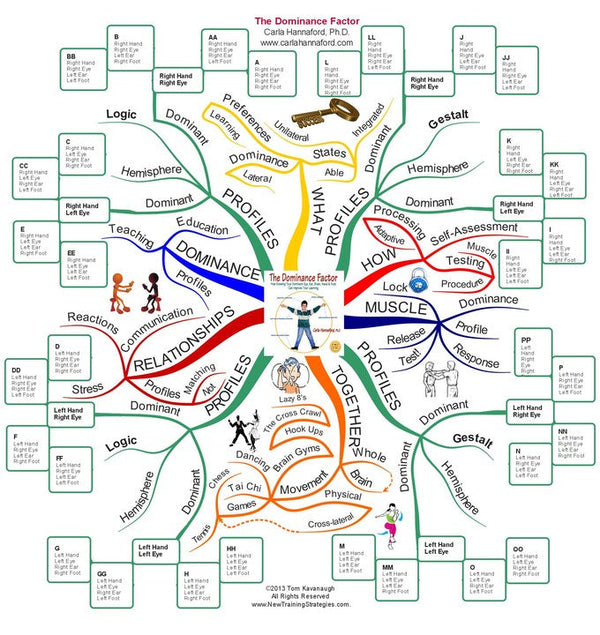
How Brain Dominance Shapes Your Child’s Learning — A Neurodevelopmental OT Perspective
Why brain dominance shapes how your child learns — a pediatric OT perspective on Carla Hannaford's The Dominance Factor and how to use it at home. From Earl Mamar...
Read article →
Rhythmic Movement Therapy — How It Supports Primitive Reflex Integration & Brain Development
What rhythmic movement therapy is, why it supports primitive reflex integration and brain-body connection, and how parents can use it at home. From Earl Mamaril, ...
Read article →
12 Brain-Development Parenting Tips from Dr. Carla Hannaford — A Pediatric OT's Take
Twelve practical brain-development tips from Dr. Carla Hannaford's Smart Moves — translated into pediatric OT-informed home strategies by Earl Mamaril, MS, OTR/L ...
Read article →
Neurodevelopmental Delays in Children — Signs, Causes & How Occupational Therapy Can Help
What pediatric neurodevelopment actually is, why movement is the foundation, and when to seek OT support. From Earl Mamaril, MS, OTR/L at Sensory Therapy Place in...
Read article →
DIY Sensory Tools at Home — OT-Approved Bath Bomb Activity for Tactile & Olfactory Input
An OT-approved DIY bath bomb recipe that gives kids tactile, olfactory, and proprioceptive sensory input at bath time. From the Sensory Therapy Place team in Brew...
Read article →
Occupational Therapy for Autism — How OT Supports Sensory Processing, Behavior & Daily Life
Pediatric OT for autism — how sensory integration, primitive reflex integration, and brain-boosting movement support autistic children. From Earl Mamaril, MS, OTR...
Read article →