Family Brain Games for Kids — OT-Picked Screen-Free Tabletop Games Under $20
Free shipping on orders $50+. Taxes calculated at checkout.
- Chosen and explained by a pediatric occupational therapist
- Free shipping on orders over $50
- Secure checkout · Return policy
Not sure this fits your child? Book a free 15-minute consult with our OT team →
About this tool
A screen-free game night that's also quiet practice in focusing, waiting your turn, and handling a loss.
In OT sessions, I reach for simple tabletop games like these all the time. A quick card or number game asks a child to look carefully, keep a rule in mind, wait for a turn, and keep going when a round doesn't go their way.
Those are the same skills homework and the classroom ask for. A game lets kids practice them in a way that just feels like play, with you right there at the table.
What are these games?
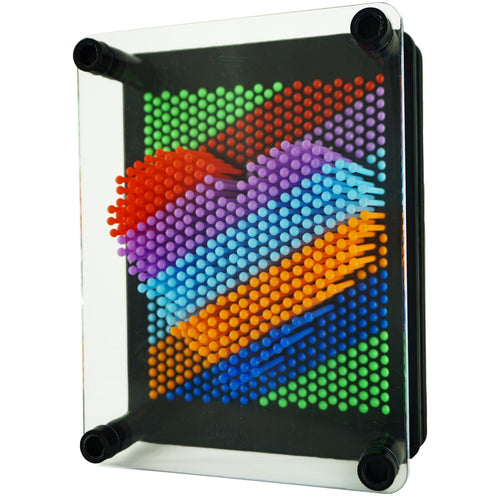
A set of 12 compact tabletop brain games, including card games and number puzzles, each priced under $20. Choose one style or collect a few for game night. They're made from durable ABS plastic, need no screens, and are quick to set up, with short rounds that fit into busy evenings.
Who this helps
- Kids who drift off homework after a few minutes but light up with a short, hands-on challenge
- Families who want a screen-free routine after dinner or on weekends
- Siblings who need a shared activity with clear turns
- Kids who get upset when they lose, since short rounds give lots of low-stakes practice
- Anyone shopping for a birthday, stocking, or classroom gift under $20
Skills kids practice while playing
- Visual attention: looking and scanning carefully for matches, numbers, or patterns.
- Working memory: holding a rule or a sequence in mind during play.
- Turn-taking and waiting: pausing, watching, and responding when it's your turn.
- Fine motor control: picking up, sliding, and placing small game pieces.
- Frustration tolerance: losing a round, resetting, and trying again.
How to use it
- Keep rounds short. Start with 10 to 15 minutes and stop while it's still fun.
- Play with your child. Sitting in, not just supervising, is where the turn-taking and calm losing get practiced.
- Use it as a routine. Try a round as a warm-up before homework or a wind-down after dinner.
- Use a visual timer for turns. A liquid motion timer makes waiting easier to see.
- Add challenge slowly. Make a game harder only once it feels easy.
Product details
- 12 styles, including card games and number puzzles
- Material: ABS plastic
- Box size: about 26.5 cm
- Supplier's recommended age: 7 to 14 years
- Every style priced under $20
This may not be the right fit if…
- Your child still puts small pieces in their mouth
- Your child needs to move before they can sit still. Start with our Active Movement & Heavy Work tools, then bring out a game afterward.
- You're working toward a specific skill goal with your child. A free 15-minute consult can help you choose the right next step.
Frequently asked questions
Will these games help my child focus?
No game builds focus on its own. What a short tabletop game offers is a clear task with a beginning and an end, which gives a child a reason to stay with it for a few minutes. Playing together, often and briefly, is what makes the difference.
Are these a good gift?
Yes. Every style is under $20, which makes them an easy birthday, holiday, or classroom gift for families who want screen-free play.
How do I choose a style?
Start with what your child already enjoys. Kids who like cards or matching often do well with card games, and kids who like counting or patterns often enjoy number puzzles. Check each style's photo to see what's included.
Can siblings play together?
Yes. Turn-based games work well for siblings and parent-child play. Keep small pieces away from younger children who still mouth objects.
What if my child gets upset when they lose?
That's common, and it's part of why short games are useful. Keep rounds quick, show a calm reaction when you lose, and praise effort over winning. If losing regularly leads to big meltdowns, a pediatric OT can help you plan next steps.
More for hands & fine motor
Other tools a pediatric OT might pair with this one.