Sensory Therapy Place · Pediatric OT Resources
Blog
Pediatric OT-written guides on sensory processing, primitive reflex integration, and the movement-rich home — by Earl Mamaril, MS, OTR/L, and the Sensory Therapy Place clinical team.
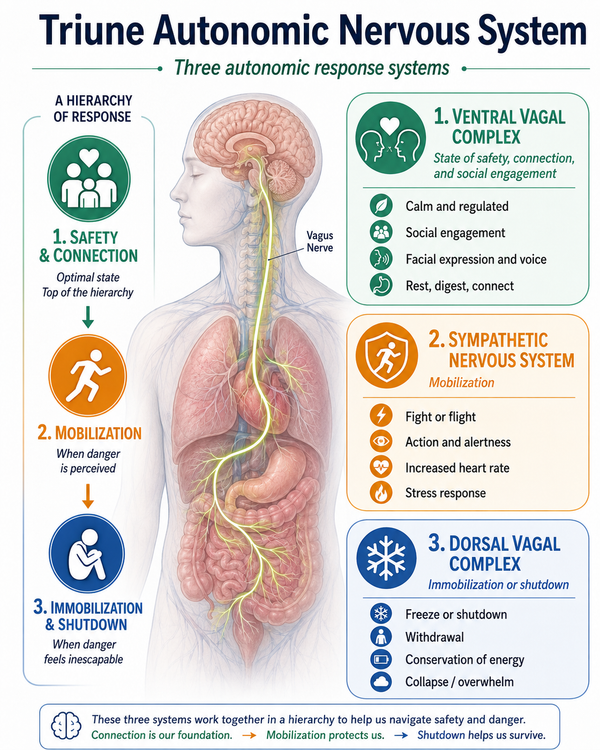
Your Child's Nervous System Is More Than 'Fight or Flight': Understanding Safety, Stress, and Healing
Your child's behavior is not always "just behavior." Often it is the nervous system trying to protect itself. Learn how the ventral vagal, sympathetic, and dorsal...
Read article →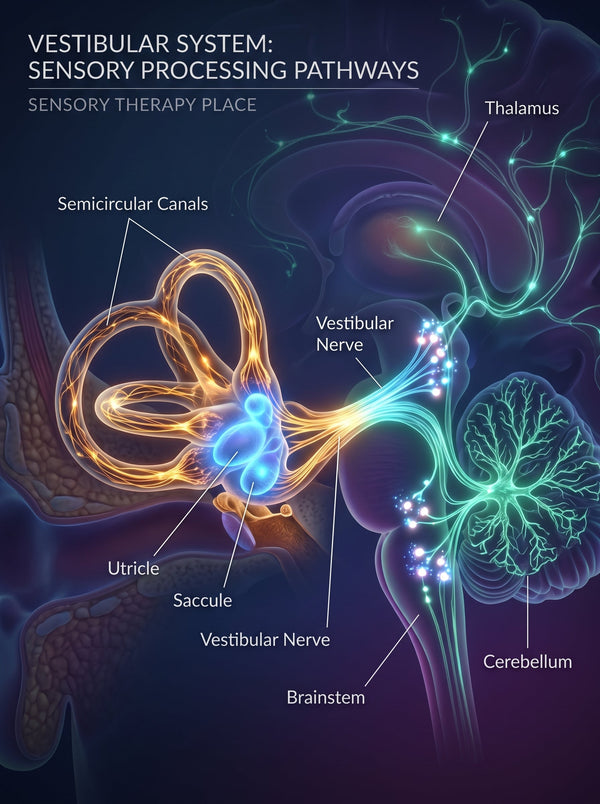
Why Your Child Crashes Into Things, Can't Sit Still, or Trips on Flat Floors: The Vestibular System Explained
If your child can't sit still, crashes into walls, melts down on the playground, or trips over flat floors — their vestibular system may be the missing piece. Ped...
Read article →
The Amygdala and the Developing Brain: How Stress, Screens & Sensory Input Shape Emotional Regulation
A pediatric OT explains the amygdala — the brain's alarm system — and how modern stress, screens, and sensory input shape a child's emotional regulation. What loo...
Read article →
Why Does My Child Flap Their Hands or Rock? A Pediatric OT Explains Stimming
Your child isn't misbehaving when they flap, rock, or hum. They're regulating. Pediatric OT Earl Mamaril explains what stimming actually is, when to support it, w...
Read article →
How Birth Trauma Can Affect Child Development Over Time
How traumatic birth experiences — both infant medical trauma and maternal birth-related PTSD — can affect a child's long-term development. Research-based parent g...
Read article →Unlock Your Child's Regulation Blueprint.
Connect the dots between clinical development and home peace. Our team builds a unified roadmap tailored entirely to your child's nervous system needs.
The Complete Regulation Blueprint
Stop guessing which tools will help your child regulate. Every comprehensive in-clinic evaluation includes a professional Home Sensory Tool Prescription, giving you a precise list of therapist-curated tools from our shop and the exact neural protocols to use them effectively at home.