Sensory Brushing Tool for Kids — Whale, Teal
Free shipping on orders $50+. Taxes calculated at checkout.
- Chosen and explained by a pediatric occupational therapist
- Free shipping on orders over $50
- Secure checkout · Return policy
Not sure this fits your child? Book a 20-minute call with a pediatric OT →
About this tool
In OT sessions, this is one of the most common patterns I see: bath time that sounds like a fire alarm going off, screaming the moment a washcloth touches skin, night after night, until parents start dreading it as much as their child does.
That's not a tantrum about getting clean. It's a tactile system registering ordinary touch as far more intense than it actually is — and firm, predictable pressure is processed very differently than light, unpredictable touch.
For the child who screams during baths, nail clipping, or hair brushing
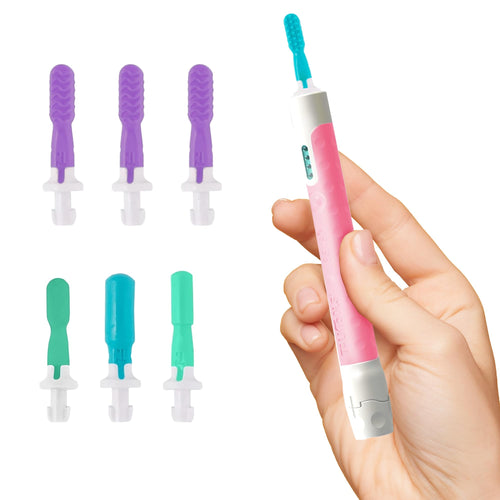
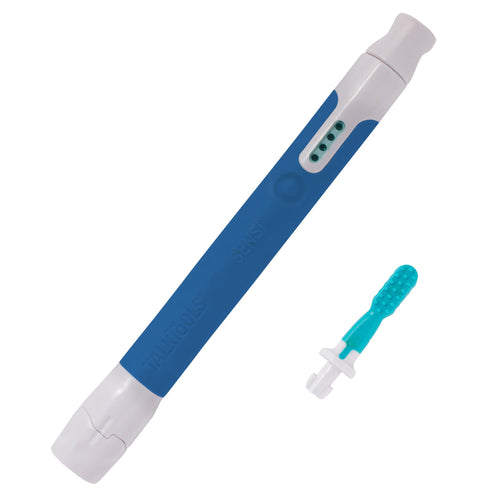
If ordinary touch — a washcloth, a hairbrush, a towel — leads to tears or a fight, your child likely isn't being dramatic. Their tactile system is registering that input as far more intense than it actually is. This soft silicone sensory brush delivers firm, even, predictable pressure that's easier for a tactile-defensive nervous system to tolerate.
Who it helps
- Kids who resist bathing, hair brushing, or nail/tooth care
- Kids who dislike washcloths, hairbrushes, and other everyday touch
- Families using an OT-guided brushing protocol (check with your therapist for technique)
Sensory systems supported
Tactile system — deep, firm pressure input that's typically better tolerated than light, unpredictable touch.
How to use it
- Use firm, consistent strokes rather than light tickling touches, which are more likely to trigger defensiveness
- Introduce during calm moments first, not mid-meltdown
- If using for an OT-directed brushing protocol, follow your therapist's specific technique and schedule
Why an OT recommends it
Light, unpredictable touch is processed very differently than firm, consistent pressure by a sensitized tactile system. Firm pressure tends to be calming rather than alarming, which is why many OTs recommend deep-pressure tools like this for both daily hygiene tasks and structured sensory protocols.
Safety note
For external skin use only; not a substitute for a clinician-directed brushing protocol. Discontinue if skin irritation occurs. Supervise young children during use.
FAQ
Is this the same as the Wilbarger brushing protocol tool? It can be used within a similar approach, but a formal Wilbarger protocol should be taught by a trained OT — ask your therapist if this tool fits your child's plan.
Can I use this during bath time? Yes — many parents introduce it specifically to make bathing more tolerable.
My child still resists — now what? Try shorter sessions, firmer pressure, and consistent timing; if resistance continues, a pediatric OT can help build a personalized desensitization plan.
Is it safe for very young kids? Yes, with supervision — silicone is soft, non-toxic, and easy to clean.
In practice, this is what we typically see once a family adds it to the routine: bath time stops being something everyone braces for.
Every product at Sensory Therapy Place is selected through the lens of pediatric occupational therapy by our founder, Earl Mamaril, MS, OTR/L.
Related: Pairs well with our Sensory Compression Vests for kids who need deep pressure beyond touch alone.
Related reading: My Child Screams During Baths and Haircuts: Understanding Tactile Defensiveness
This may not be the right fit if…
- Your child strongly refuses touch. Start with them brushing their own hands.
- You're looking for a structured brushing protocol (ask your child's OT)
- Your child has broken or irritated skin
More for touch & sound sensitivity
Other tools a pediatric OT might pair with this one.