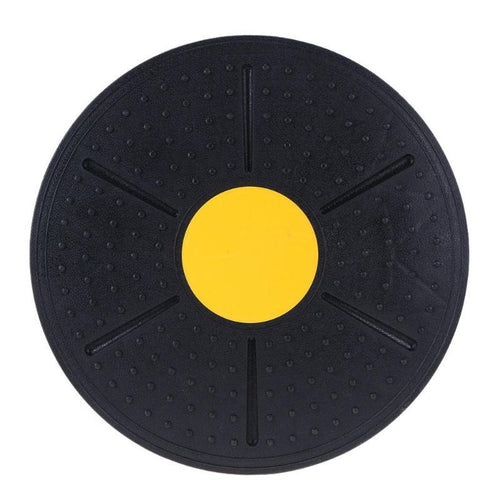
Wobble Board for Kids, Ages 3–6
Free shipping on orders $50+. Taxes calculated at checkout.
- Chosen and explained by a pediatric occupational therapist
- Free shipping on orders over $50
- Secure checkout · Return policy
Not sure this fits your child? Book a free 15-minute consult with our OT team →
About this tool
Some kids can't sit still because their bodies are still searching for the ground beneath them.
In OT sessions, this is one of the most common patterns I see: a child who climbs on the couch arms, rocks his chair back onto two legs at dinner, and can't make it through a five-minute story without sliding off the cushion. It's rarely defiance — his body is still searching for the movement input it needs before his brain can settle into stillness.
What looks like restlessness is often a vestibular and proprioceptive system that hasn't had enough movement input yet that day — the body is still asking "where am I in space?" before the brain can settle into stillness.
What is a wobble board, and how does it help kids?
A wobble board (also called a rocker balance board) is a curved platform kids rock front-to-back and side-to-side on to build core strength, postural control, and body awareness. For sensory-seeking kids, that controlled rocking motion delivers vestibular and proprioceptive input that helps the nervous system organize itself — often making it easier to sit still, focus, and follow directions afterward.
Who this helps
- Kids who constantly climb, rock in their chair, or seek movement throughout the day
- Children working on core strength, posture, and balance
- Sensory seekers who need a "movement break" before homework, dinner, or circle time
- Kids building coordination and body awareness for future sports like skateboarding or surfing
- Families setting up a home sensory or movement corner
Sensory systems supported
- Vestibular system — the balance and movement sense, stimulated by the board's rocking motion
- Proprioceptive system — body awareness and core engagement, built through the muscle work of staying balanced
How to use it
- Set the board on a flat, non-slip floor space clear of furniture, stairs, and hard corners.
- Have your child step on with supervision, feet on the anti-slip strip, and rock gently side to side or front to back.
- Start with short, supervised sessions — a minute or two before homework, dinner, or a seated activity works well as a movement break.
- Use the removable bottom grips while your child is building confidence and stability.
- Bring it into imaginative play as a boat, bridge, or balance beam to keep practice fun.
Product details
- Material: tough PE construction
- Overall dimensions: 32.3"L x 10.8"W x 7.7"H
- Anti-slip strip: 33.3"L x 0.7"W
- Weight capacity: 110 lbs (front side), 44 lbs (reverse side)
- Suitable age: 3–6 years old
- Removable bottom grips
- Underside designed to prevent fingers from getting pinched
This may not be the right fit if…
- Your child is over 6 (see the larger balance board)
- You don't have clear, non-slip floor space
- An adult can't supervise
In practice, this is what we typically see once a family adds a short wobble board break before homework: the child sits down calmer and stays at the table longer.
Frequently asked questions
What age is this wobble board designed for?
It's sized for children ages 3–6, with a weight capacity of 110 lbs on the front side and 44 lbs on the reverse side. Adult supervision is recommended at all times.
How is this different from your Sensory Balance Board?
This Wobble Board is a smaller, curved rocker platform built specifically for ages 3–6 (110 lb weight capacity), with a tough PE construction, an anti-slip strip for grip, and an underside designed to help prevent fingers from getting pinched. Our Sensory Balance Board is a flatter, larger platform rated for up to 220 lbs, making it a better fit for older kids, teens, and adults, or a board the whole family can share. If your child is under 6, start with this Wobble Board; for a board that grows with an older child or gets used by the whole household, the Balance Board is the better fit.
Can a wobble board really help with focus and sitting still?
Movement input like rocking and balancing can help organize a child's vestibular and proprioceptive systems, which many parents find makes seated tasks like homework or mealtime go more smoothly afterward. If you're seeing ongoing focus or regulation challenges, an OT evaluation can help identify what's really going on.
More for balance & coordination
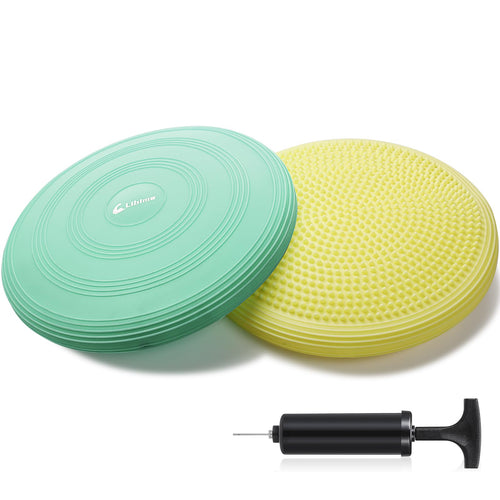
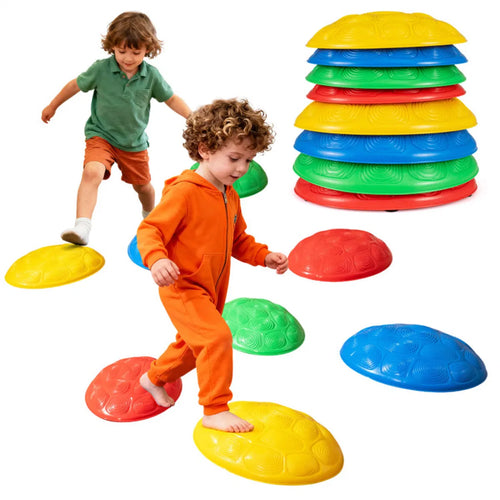
Other tools a pediatric OT might pair with this one.